
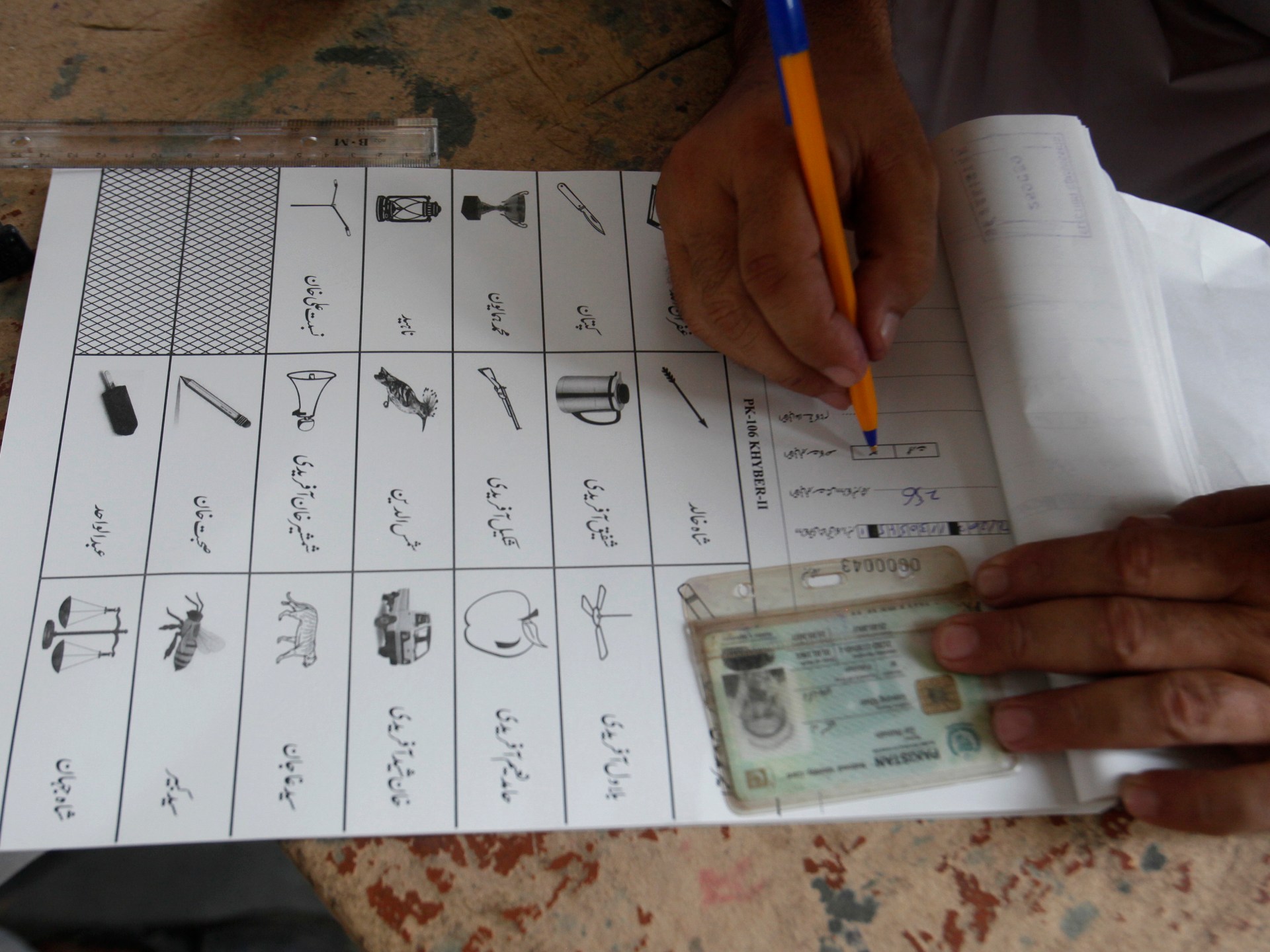

Electoral symbols are crucial in a democratic process. In Pakistan, as the country prepares for the upcoming general elections, posters with party symbols are prominently on display on utility poles and walls in cities and towns. The Pakistan Tehreek-e-Insaf (PTI), a popular party, has been barred from using its cricket bat symbol in the elections scheduled for February 8. This has sparked controversy, with some alleging that the move was politically motivated to ensure the party’s defeat. The Election Commission of Pakistan (ECP) cited technical grounds for its decision, claiming that PTI had not held intra-party elections, rendering it ineligible for a symbol. The party’s attempt to get the ban overturned through the Supreme Court was unsuccessful. The ban on the PTI symbol has raised concerns about disenfranchisement and the impact it could have on the party’s electoral prospects.
The importance of electoral symbols in Pakistan cannot be understated. Around 40 percent of the country’s population is uneducated, and voters who cannot read rely on symbols to identify the party they want to choose on the ballot. These symbols are also integral to parties’ electoral campaigns, influencing slogans and songs. For example, PTI’s rallying cry “Ballay ko diya kis nay sahara” was built around its cricket bat symbol. Similarly, the Pakistan Muslim League (Nawaz) (PML-N) is strongly identified with the tiger symbol, and the Pakistan Peoples Party (PPP) has curated slogans and songs around its arrow emblem.
These symbols hold historical significance as well. PTI’s slanted cricket bat was not the party’s original symbol. PML-N’s tiger symbol has historical ties with the party’s predecessors, and the PPP’s sword symbol had religious connotations tied to its founder. In the electoral landscape of Pakistan, these symbols serve as a visual representation of political ideologies and are crucial for engaging voters.