
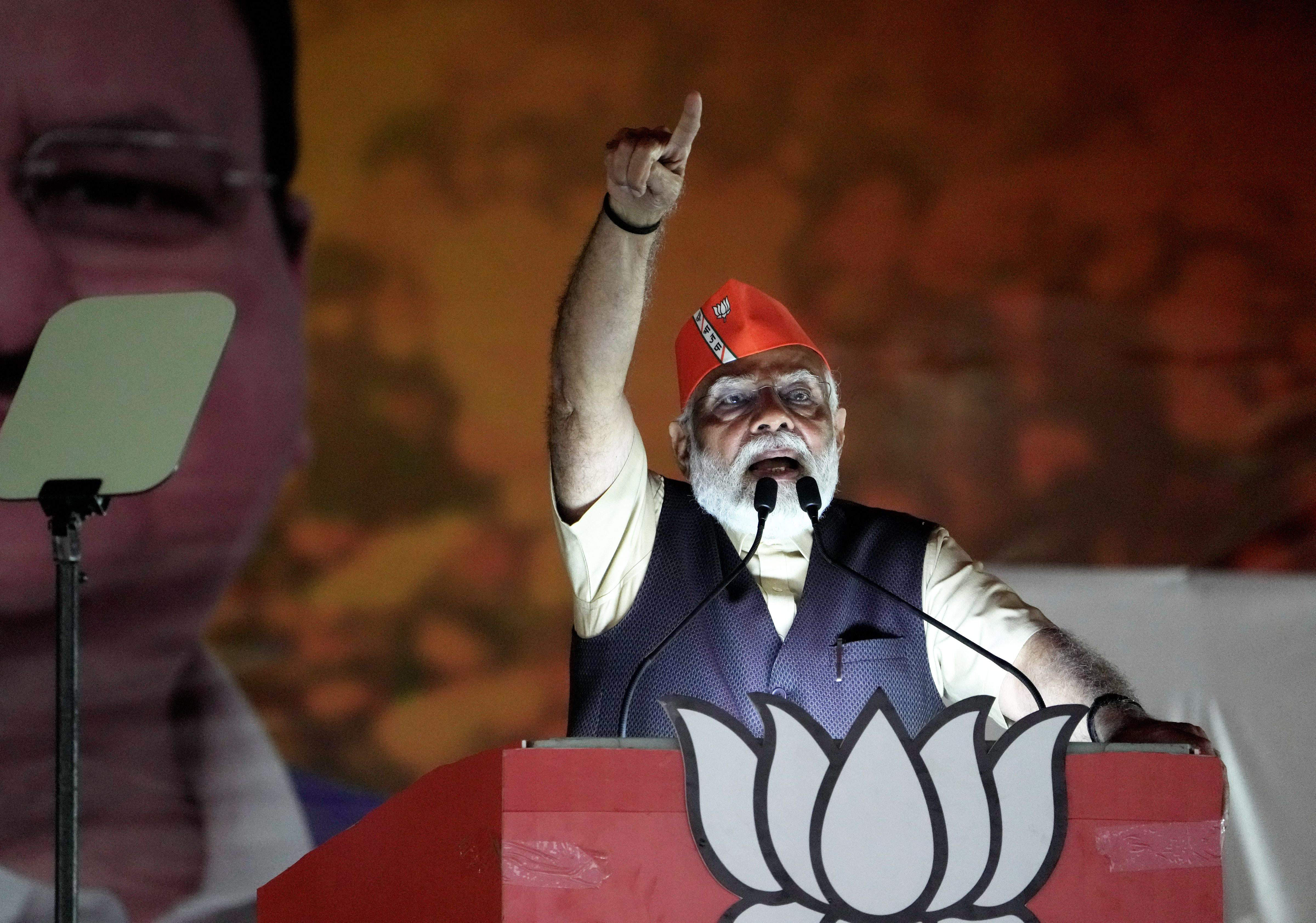

Coming up soon is one of India’s most important general elections, where millions of Indians will exercise their right to vote. While many believe that the return of the BJP and Prime Minister Narendra Modi is inevitable, there is more than one story to India that needs to be heard, especially on the cusp of elections.
In a country as diverse as India, with a population of over 1.4 billion people and increasing divisions, the real issue in the election discourse is not what we are talking about, but what we are neglecting to discuss. These gaps have a significant impact on the lives of ordinary citizens, including minorities and those marginalized in society and the economy. Citizenship is not just about voting during elections; it’s about actively participating in shaping the future by asking relevant questions.
While there is a lot of focus on the economic growth of India, with new airports, highways, and rising GDP, there are still significant challenges that many Indians face daily. The GDP growth doesn’t necessarily translate into better jobs and improved quality of life for everyone.
Despite the economic growth, a large number of Indians still rely on government assistance for basic necessities like food. The unemployment rate has also been a concern, with many citizens engaged in low-paying, informal jobs.
The quality of life for many Indians is compromised due to lack of access to essential services like healthcare, clean water, and sanitation. These issues, along with the impact of technology on livelihoods, are often overlooked in the election discussions.
It is essential for citizens to voice these concerns and push for a more inclusive dialogue on healthcare, employment, aging population, environmental crisis, and the influence of technology on society. These are critical issues that deserve attention, even if they are not at the forefront of the political discourse.