
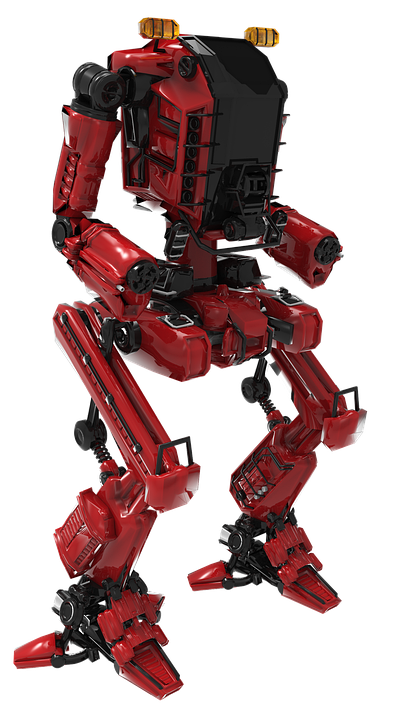

The concept of artificial intelligence (AI) has long fascinated and captivated the human imagination. From the robotic companions portrayed in science fiction films to the supercomputers capable of processing complex tasks, AI has been a staple in futuristic narratives. However, what was once relegated to the realms of imagination has now become a reality, transforming laptops into intelligent systems.
In the past, laptops were limited to executing tasks based on explicit instructions provided by the user. They were essentially tools that responded to user inputs and offered limited capabilities. But with the advent of AI, laptops have evolved from mere machines into intelligent systems that can learn, adapt, and make decisions on their own.
One of the most prominent features of intelligent laptops is their ability to understand and interpret human language. Gone are the days when users had to meticulously type in commands or navigate through complex interfaces. Thanks to natural language processing, AI-powered laptops can now understand spoken or written instructions, making the interaction between humans and machines more seamless and intuitive.
Furthermore, AI has revolutionized the way laptops handle tasks by introducing machine learning algorithms. These algorithms enable laptops to analyze vast amounts of data and derive insights from them. This means that laptops can now recognize patterns, predict outcomes, and even provide personalized recommendations based on user preferences. Whether it’s suggesting movies, predicting stock market trends, or generating customized playlists, intelligent laptops can now assist users in their decision-making process.
AI has also brought about significant advancements in computer vision, allowing laptops to understand and interpret the world around them. Equipped with advanced vision systems, laptops can now recognize objects, faces, and even emotions. This technology has far-reaching implications, from assisting the visually impaired to enabling augmented reality experiences.
The integration of AI with laptops has also ushered in a new era of productivity and creativity. Gone are the days when users had to manually sort through heaps of files and folders. Intelligent laptops can now organize and categorize data, making it easier for users to search and retrieve information. Additionally, AI-powered laptops can now assist in creative endeavors by generating content, enhancing images, and even composing music.
Moreover, the application of AI in laptops has extended beyond personal use. In fields like healthcare, AI-powered laptops have become valuable tools for medical professionals. They can analyze medical images, help with diagnosis, and even detect early signs of diseases. In education, AI can personalize learning experiences and provide tailored recommendations to students. The possibilities are endless, and the integration of AI has the potential to revolutionize various industries.
However, with these advancements comes a responsibility to ensure that AI-powered laptops can be used ethically and responsibly. As technology becomes increasingly intelligent, the need for safeguards against bias, privacy breaches, and malicious use becomes paramount. It is crucial to strike a balance between the benefits of AI and the potential risks associated with its advancements.
From science fiction to reality, AI has transformed laptops into intelligent systems. The combination of natural language processing, machine learning, computer vision, and enhanced productivity tools have revolutionized the way we interact with our laptops. With AI, laptops have become more than just machines – they have become companions, assistants, and partners in our daily lives. As the technology continues to develop and mature, we can only imagine the incredible possibilities that lie ahead.