
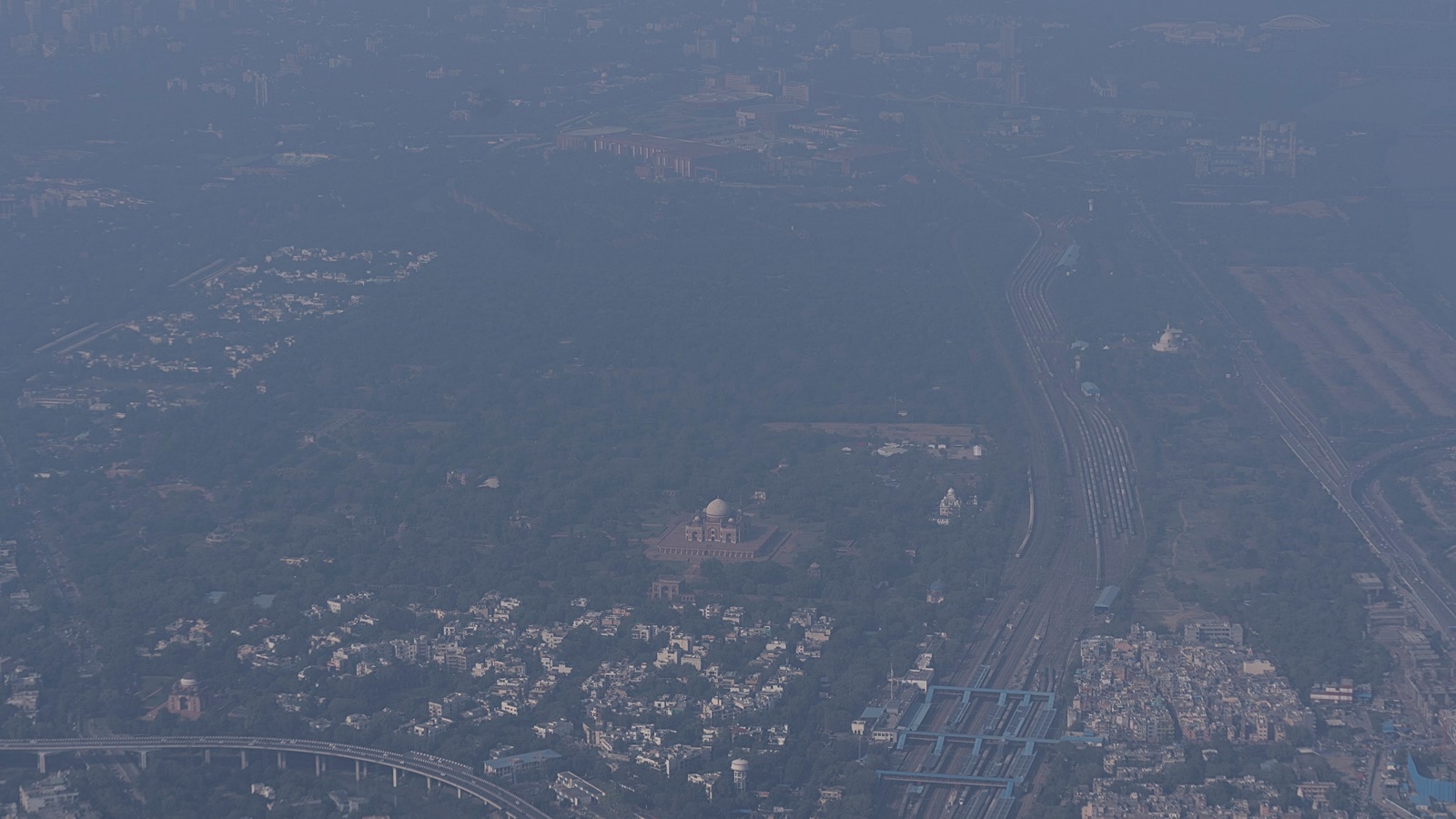

Air pollution is a significant problem in India, leading to the premature deaths of 1.6 million Indians in 2019. This is more than three times the official number of Covid deaths during the pandemic. It also amounts to about Rs 7 lakh crore of economic loss annually and has a significant impact on the health and routine of Indians. The response to this problem has been fragmented and inadequate, with solutions focusing on symptoms rather than root causes. Tackling the air pollution crisis requires addressing the systemic issues that contribute to it.
To effectively address air pollution, it is important to acknowledge that it is a human-induced problem and to prioritize the most vulnerable populations. Learning from successful interventions in other countries is also key. Coordinated interventions such as limiting emissions, expanding public transportation, electrifying buildings and vehicles, adopting a regional or airshed approach, and strengthening legislation and enforcement are essential to addressing the problem. Additionally, citizen mobilization for awareness and education, as well as investing in science and technology for real-time monitoring, are necessary components of an effective response.
While implementing all these measures may seem daunting, it is essential to act with urgency to address the air pollution crisis and protect the health and well-being of the population. The choices are clear, and the time to act is now.