
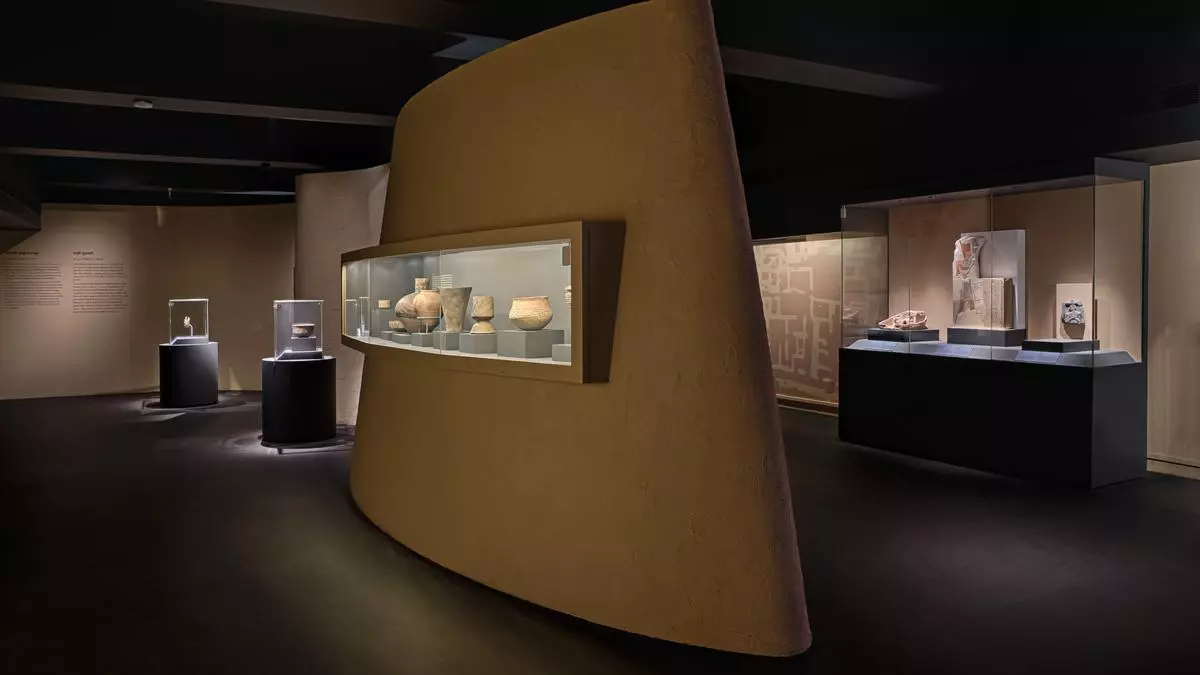

The repatriation of objects to source countries appears to be increasing, and with that comes the expectation that museums in the source countries will conserve and display such objects in better ways. This includes better ethics and better contextualization. These expectations are challenging, considering the high standards set by art history and exhibition design in Western nations over the past 150 years.
Instead of criticizing the state of India’s museums, it is important to focus on what needs to change in the heritage sector and the ethics that should guide it. To ensure public accountability for the removal and repatriation of objects, detailed studies on their provenance are necessary. Additionally, the place receiving the repatriated object must demonstrate its ability to care for and display its cultural assets effectively.
Museums should also engage in extensive research to understand the meaning and history of objects. This information should be communicated through various mediums such as books, films, and aesthetic displays. The personnel working in the heritage and museum sector must be well-trained and capable of interpreting the significance and learning encapsulated within each object.
Despite the recognition of the importance of art museums by the media and government in India, the sector’s development remains slow. This is due to various reasons, including inappropriate administrative policies, a lack of public accountability and trust, inadequate staffing, and a failure to provide high-quality research on collections. India has over 800 museums that showcase its rich art and culture, but many of them are poorly regarded and neglected.
Given the arguments for repatriation, museums have a responsibility to preserve people’s histories and memories. Each object in the collection has its own history, including its provenance, which should be understood and communicated to the audience. Museums should strive to deepen research and dissemination efforts, transcending their immediate financial worth. They have the potential to actively engage the public and contribute to transitional justice.
To fulfill these roles, museum personnel must be exposed to cultural diplomacy and the politics of heritage. This requires a strong foundation of scholarship and knowledge about the museum’s artifacts. However, Indian museums lack specialists to fill these roles. The frequent turnover of officers in top museum positions hinders institutional building and affects the entire field. Serious reforms are needed to improve the hiring and position of museum curators and directors.
If India wants its museums to gain the same recognition as those in G20 nations, it must grant these institutions autonomy and respect their knowledge. The British Museum and American museums have established systems that protect their autonomy and ensure financial stability. India should consider these examples and invest in educational standards in art history, conservation, and archaeology. This will enable the development of specialized teams of professionals who are trained, have fixed positions within the government hierarchy, and are granted autonomy to function effectively.
India currently has strong laws and institutions to protect heritage, but they have not been fully successful in the past 30 years. These laws and institutions need to be updated and made more progressive and effective. The lack of investment in training and staffing has been a hindrance to the export of art objects but has also resulted in cultural losses. It is crucial to address these issues urgently.