
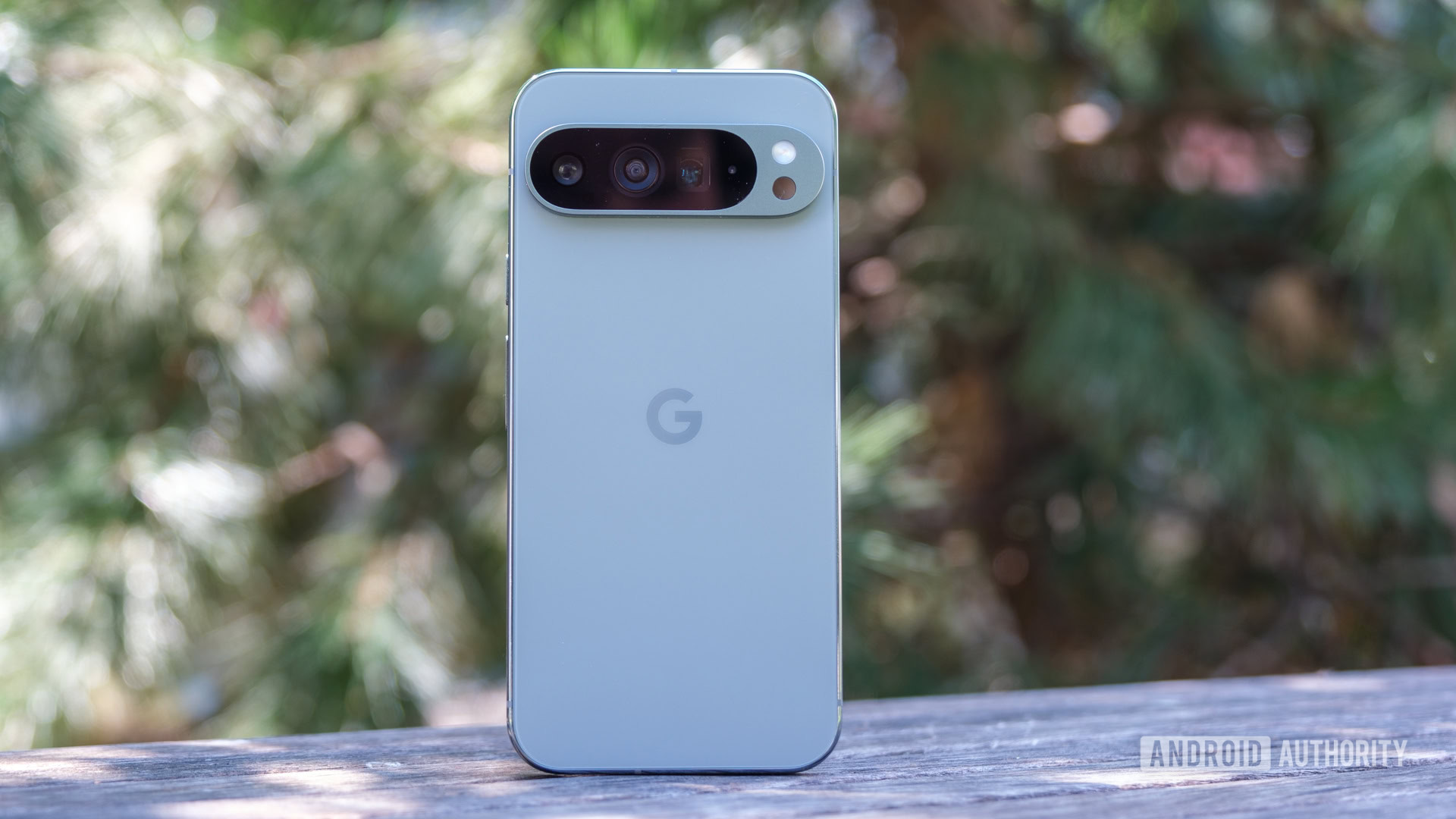

The Pixel 9 Pro XL is the culmination of everything Google has been working towards, backed by a slate of AI-powered features worth using every day and premium hardware that can rival the best from Apple and Samsung. Mix in a trio of incredible cameras, (mostly) upgraded charging, and classic, clean software, and you get Google’s best, most accomplished phone to date. I’ve always had what could probably be described as a foolish belief in the Google Pixel series. Ever since my college roommate returned from Christmas break with a Pixel XL in its Really Blue finish, I thought Google would eventually have the best Android phone around. A bold hope, I know — Google seems to kill off its best products just as they reach their peak — but I believed it nevertheless. Sure, there have been stumbling blocks and one-off features, but I think my faith has finally paid off. The Pixel 9 Pro XL might be the best Android phone I’ve ever used, and it’s Google right down to the core.
Google finally perfected its design
For whatever reason, my love for the Pixel series didn’t start with its near-stock flavor of Android — it started with Google’s design. I know, you should probably like how using your phone feels over how it looks, but that just wasn’t me. I was drawn in by the rear-mounted fingerprint sensor, two-toned finishes (still waiting on another Panda, Google), and the sweet simplicity of the G logo on the back. Then, I watched the Pixel evolve. I watched Google adopt a larger, square camera bump, tack on a display notch that’s impossible to forget, and ditch the beloved rear fingerprint sensor — some changes I liked and some that I didn’t. Once Google introduced a brand-new design with its now iconic camera bar with the Pixel 6 series, though, I finally felt like it was building towards something. It had created an Android flagship that was completely different from what the likes of Samsung, Motorola, and OnePlus were doing, and people finally started to ask what phone I was using purely based on its looks. The Pixel camera bar has become an all-inclusive island, and life is good. Now, that unique, ambitious design has matured with the Pixel 9 series. Gone are the curves — both at the edges of the display and around the aluminum frame — and the camera bar has morphed into more of a camera island, trading the possibility of a two-toned Pixel for the security of a camera bump that wouldn’t shatter if dropped on an edge. It’s a design evolution that I cheekily said makes it my favorite iPhone ever, and I’m willing to stand by that fact. No, it’s not literally an iPhone, but the Pixel 9 Pro XL finally matches Apple’s lofty hardware standards in a way that feels sturdier and more reliable than Google’s previous flagships. Every edge of the Pixel 9 Pro XL feels carefully considered, with just enough curve at the edges to make the massive 6.8-inch AMOLED panel decently comfortable to hold and just enough texture to the frosted Gorilla Glass Victus 2 back panel so the phone shouldn’t slip right out of your hand. If it does, at least the IP68 rating should guard it from the elements. Both panes of durable glass are joined by a color-matched high-gloss aluminum frame that looks stunning but might work against Google’s largest flagship — at least if you have smaller hands. The shift from slightly rounded rails to perfectly flat ones makes the Pixel 9 Pro XL feel thicker than the preceding Pixel 8 Pro, even though it’s about a third of a millimeter thinner at its widest point and is nearly the same height and width. If you’re worried about that size, though, Google has a long overdue smaller Pixel 9 Pro to sell you, though either way you should buy a case for some added peace of mind. Outside of the new, flattened sides, the Pixel 9 Pro XL is a tale of small changes that add up to a significant improvement. As mentioned, it has nearly identical dimensions to its predecessor, yet it adds an extra tenth of an inch of display real estate. What that means is that the Pixel 9 Pro XL has slimmer (but still even) bezels all around. They’re slim to the point where you won’t notice them — at least, I didn’t — yet the flattened frame means you won’t accidentally tap the edges of the display, either. Google’s upgraded panel is brighter, too, peaking at 3,000 nits rather than 2,400 and holding 2,000 nits in high-brightness mode instead of 1,600. Even the color options on the Pixel 9 Pro XL feel a bit more grown up, with muted tones like Rose Quartz and Hazel replacing Mint and Bay. They still look good, but they’re not quite as vibrant as I’m used to. Around the back, even the island-like camera bar fits perfectly on the Pixel 9 Pro XL. As much as I liked the visor-style bar on the previous Pixels, I’ve found it easier to position my fingers around the island, resting one comfortably underneath to support such a big phone. The slight texture of the aluminum helps, too, as I can feel it and know that I’m not smudging my camera lenses. I might smudge the temperature sensor, but I’ve ignored that feature as much as Google ignored it while launching the Pixel 9 series.
Jokes aside, it’s remarkable how far Google has come in just three years. I was impressed with the new design when it launched on the Pixel 6 series, yet holding the Pixel 6 Pro next to the Pixel 9 Pro XL makes the former feel like little more than a proof of concept.
Tensor G4 benchmarks aren’t great
Of course, we can’t continue a Pixel-based discussion without talking about what’s probably the Pixel 9 Pro XL’s most important feature. No, it’s not the triple-camera setup — it’s the Tensor G4 chipset. This year, it comes backed by a whopping 16GB of RAM (13GB that you can use and 3GB that’s just for Gemini) and packs higher clock speeds across most of its eight cores. Despite those all-important upgrades, though, the Pixel 9 Pro XL still only comes with 128GB of storage in its base configuration, because reasons. Come on, Google, even Samsung doubled the base storage on its Galaxy Z Flip 6, and it doesn’t have as many cameras to capture from or ready-to-go AI features to power through. Anyway, I digress because we all know that the Tensor’s raw performance isn’t why it matters, it’s all about the software capabilities it unlocks. Before we get to those, we still have to benchmark Google’s latest in-house chipset. I ran it through our usual gauntlet of CPU, GPU, and battery tests against similarly equipped Android flagships and Apple’s top dog, and the results are anything but surprising. The Tensor G4 came up short of everything except the Tensor G3 in both Geekbench 6 and across 20 runs of 3D Mark’s Wild Life test. To Google’s credit, it’s closing the gap on the OnePlus 12 and its standard Snapdragon 8 Gen 3 chipset, but it still has a lot of work to do to catch Apple and Samsung. That real performance upgrade sounds like it’ll have to wait for the Pixel 10. As usual, though, the Tensor G4’s raw numbers don’t make or break the experience. Most people simply won’t push their CPU or GPU hard enough on a given day to feel the difference against something like the Galaxy S24 Ultra. My dad, for example, was worried about the Pixel 9 Pro XL’s lower performance scores as a reason not to buy the phone, so I popped my SIM out and let him test drive it for a sunny day at Hersheypark. He put it through a standard day, checking baseball scores while waiting in line for rollercoasters and snapping photos while we tried to find shade with the animals in ZooAmerica, and left satisfied with the fact that Google can keep up with your average Joe.
I spent much longer with the Pixel 9 Pro XL, taking it to a Pittsburgh wedding and a soccer double-header in Washington, DC, but I reached the same conclusion. It pushed…