

When the Dravida Munnetra Kazhagam (DMK) won the Assembly election in Madras State in 1967, it became the first regional political party to come to power in independent India. It was also the second non-Congress party, after the Communist Party of India in Kerala in 1957, to achieve this feat. The DMK’s victory over the mighty Congress was attributed to its promotion of a collective but exclusive regional Tamil identity that focused on social justice and empowerment of all sections of society, especially women.
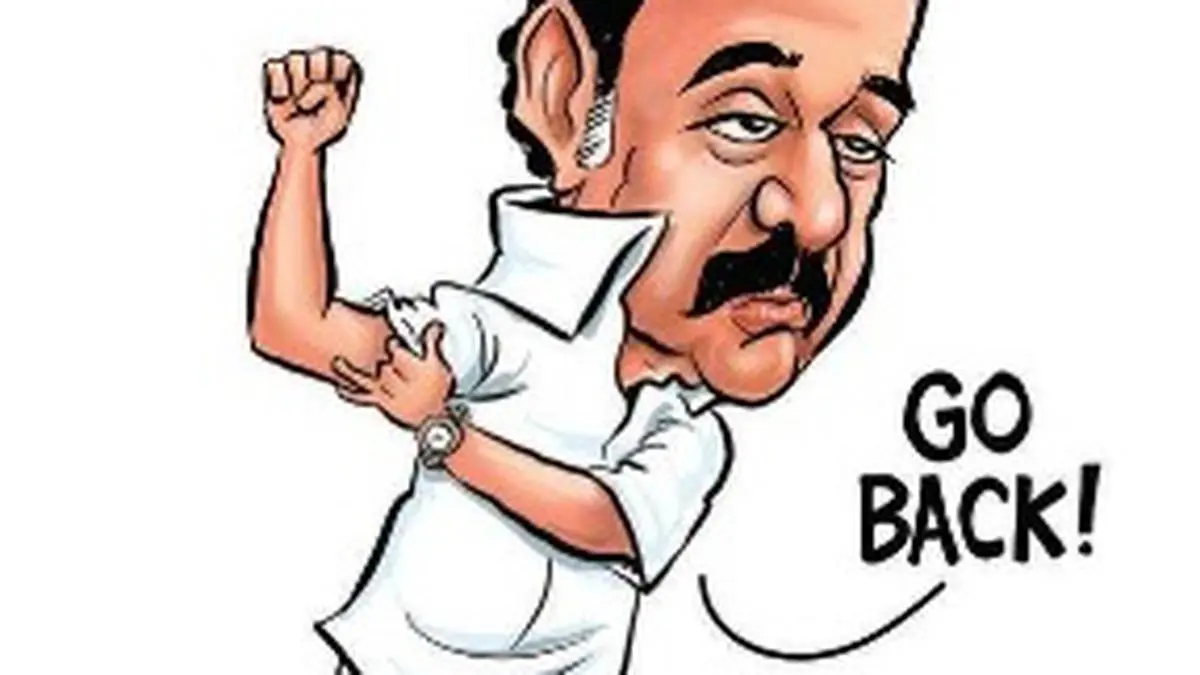
Since its rise to power, the DMK has only been led by three individuals: C.N. Annadurai, M. Karunanidhi, and M.K. Stalin. Annadurai and Karunanidhi were undisputed leaders with no significant challengers during their tenure. Similarly, Stalin faced no competition in his ascension to power. This secure leadership position allows Stalin to openly criticize the BJP and Prime Minister Narendra Modi even on public platforms, as evidenced by his role as Chief Minister of Tamil Nadu.
Even before the May 2021 Tamil Nadu Legislative Assembly election, it became evident that the All India Anna Dravida Munnetra Kazhagam (AIADMK), which had been in power for a decade, would struggle without its charismatic leader Jayalalithaa. The DMK, on the other hand, had carefully strategized its campaign and had the support of political strategist Prashant Kishor. Opinion polls consistently indicated the DMK’s lead and predicted its victory over the AIADMK. Although the AIADMK performed better than expected, the DMK and its alliance partners still held a significant advantage. The DMK won 133 out of 188 seats with almost 43% of the vote share, while the AIADMK won 66 out of 191 seats with a 25.47% vote share. The Congress, a key ally of the DMK, won 18 out of 25 seats, while the BJP, in alliance with the AIADMK, won four out of 20 seats.
Despite these numbers, the AIADMK has struggled due to internal leadership issues and corruption allegations against its ministers. In contrast, the opposition space has largely been occupied by the BJP, which has not made significant progress in Tamil Nadu. This secure position allows Stalin, both as the President of the DMK and as the Chief Minister, to focus on governance and openly address developmental issues, while also keeping communal politics at bay.
Stalin’s initiatives as Chief Minister reflect his commitment to good governance and inclusive development. For example, he introduced free travel for women in government buses, increased financial support for girl students, and implemented laws to enhance women’s representation in governance. Stalin also caters to special interest groups and marginalized communities in the state, such as Sri Lankan Tamil refugees and fringe political groups. These administrative and political decisions solidify his support base and ensure that these groups are actively engaged in the political process.
Furthermore, Stalin emphasizes the importance of federalism and the rights of the state, while opposing Hindi imposition. He does not hesitate to raise concerns with Prime Minister Narendra Modi and Tamil Nadu Governor R.N. Ravi. While he has not explicitly disclosed his national-level ambitions, Stalin has been rallying opposition party leaders on various issues, showcasing his leadership and vision. He has also tried to create an ideological base against the BJP, positioning the DMK as a party that prioritizes good governance and development.
Overall, Stalin’s leadership in Tamil Nadu has been marked by his focus on inclusive development, good governance, and opposition unity. He has strategically positioned the DMK as a party that addresses the concerns of various interest groups and works towards preserving the gains made in independent India. While he may have national-level ambitions, Stalin remains patient and focused on consolidating his position within his own party and delivering on his goals as Chief Minister.