
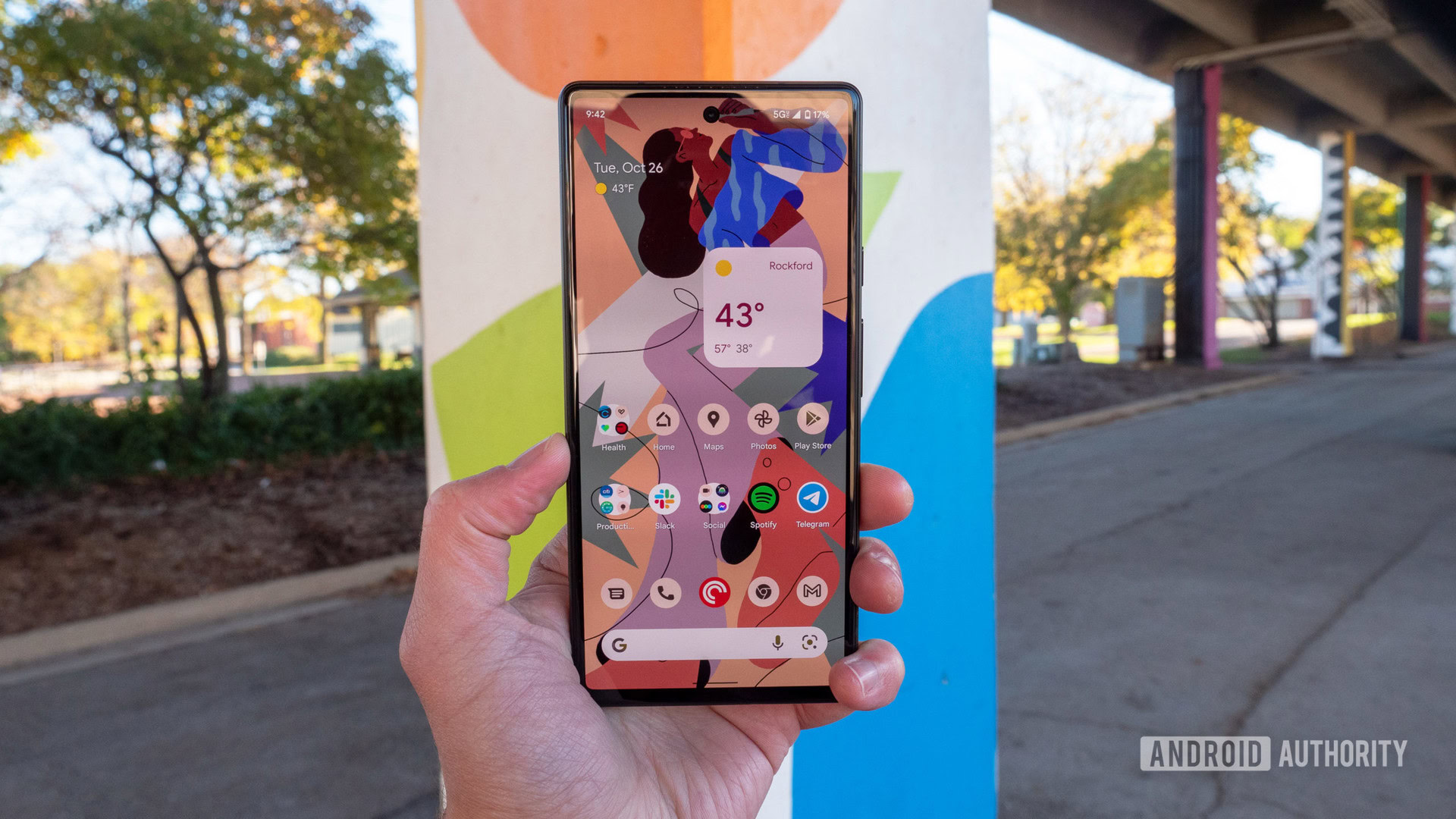

Android has been available for more than ten years now, and stock Android has seen significant improvements since its inception in 2008. Updates over the years have added features like copy/paste, multi-touch support, foldable phone compatibility, a smoother user interface, and more. However, not all changes made by Google to pure Android have been well-received. Here are some of the most controversial changes made to stock Android, listed in no particular order.
One major change that drew criticism was the introduction of larger quick settings tiles in Android 12. This update reduced the number of tiles visible at once in the notification shade to just four, making it less convenient to access commonly used settings.
Another unpopular change was Google’s temporary decision to limit microSD card support in Android 4.4 KitKat back in 2013. This move was later reversed with the introduction of adoptable storage in Android 6.0 Marshmallow, allowing users to expand their storage capacity using a microSD card.
The introduction of an all-encompassing Internet tile in Android 12, replacing separate Wi-Fi and mobile data toggles, was also met with criticism. Many users found it less intuitive and more cumbersome to toggle their network settings with this new layout.
Google’s decision to make the power button summon Google Assistant by default in Android 12 was widely criticized. Users had to go through extra steps to turn off their phones, prompting many to revert to the old power button behavior through device settings.
The removal of the App Ops feature in Android 4.4.2 was another highly disputed change. This feature allowed users to enable or disable individual app permissions, providing more control over app access. Google claimed it was experimental and could break apps, leading to its removal.
Lock screen widgets, introduced in Android 4.2, were discontinued in Android 5.0 Lollipop, much to the disappointment of developers and users. Similarly, the change in how users silenced their phones in Lollipop was met with backlash, leading to the reintroduction of silent mode in later updates.
Initially, Google only offered gesture navigation on the Pixel 3 series, removing the option for the traditional three-button layout. This decision was later reversed with the release of Android 10, allowing users to choose their preferred navigation method.
The implementation of Scoped Storage in Android 10 and made mandatory in Android 11 restricted app access to specific directories, causing compatibility issues for some apps, backup utilities, and file managers.
The introduction of the SafetyNet API in 2017 raised concerns among users of custom ROMs, as it verified device security and integrity, potentially impacting the use of modified operating systems.
Overall, while stock Android has seen many positive changes over the years, some updates have been met with criticism from users and developers alike.