

It was a challenge for a father running a small tea shack in Ballari, Karnataka to support his heptathlete daughter. In contrast, the son of a coffee plantation owner in Coorg pursued tennis from an early age without financial worries.
In Faridabad, a petrol pump station attendant made sacrifices to support his daughter’s track-and-field dreams, while a pistol shooter from Mandi had the advantage of owning a petrol pump. The father of a hockey forward runs a sari shop in Varanasi, and a Chennai-based tennis player’s parents are in the textile business. Similarly, a sprinter’s father works as a waiter at a hotel in Pallakad, and a badminton star’s family owns a hotel in Mumbai.
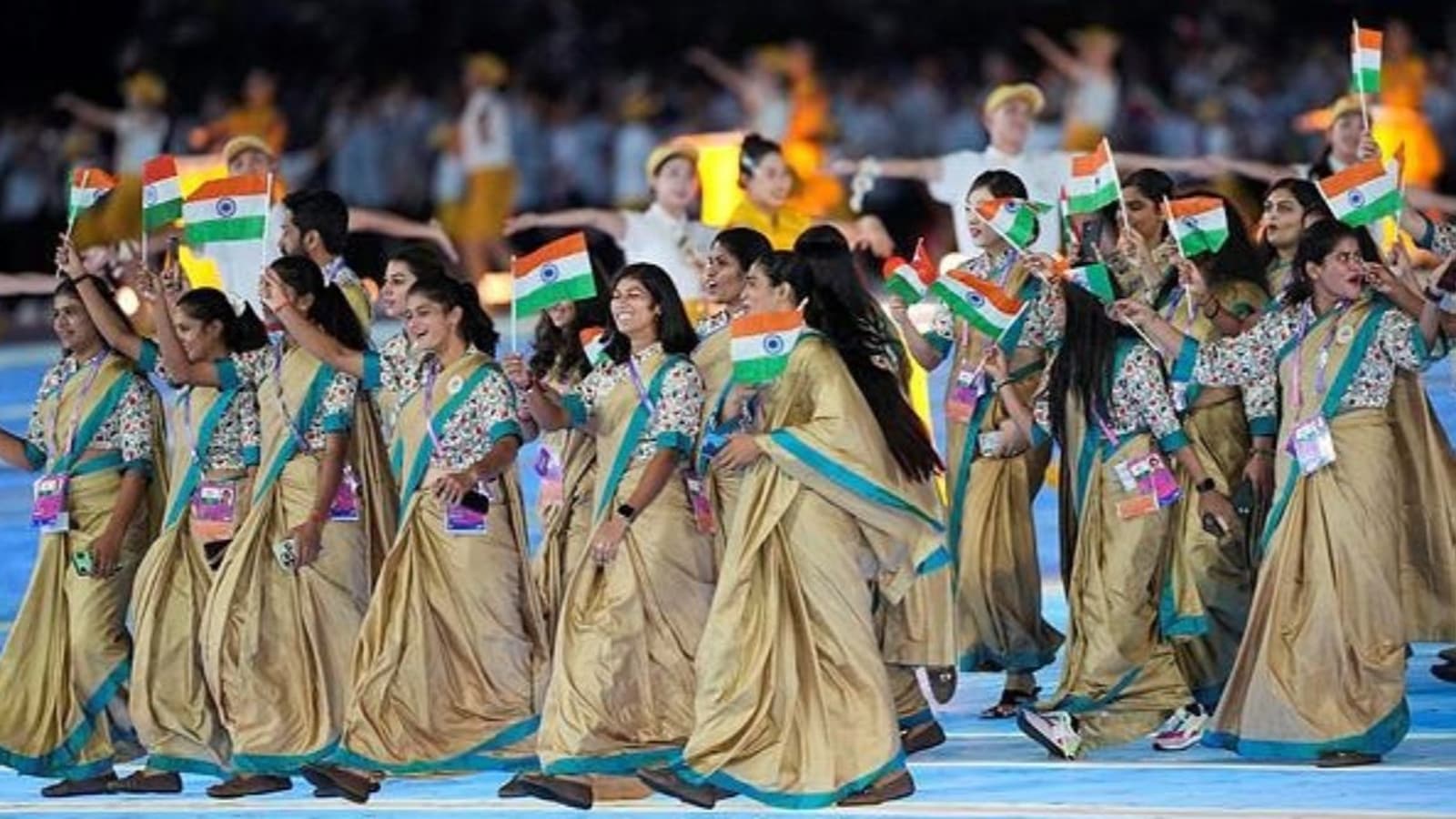
These athletes come from diverse backgrounds and their paths would have never crossed if it wasn’t for sports. At the Asian Games in Hangzhou in September-October 2023, they contributed to India’s record 107 medals. These athletes are a testament to the impact of sports and determination to overcome challenges.
A thorough investigation of these athletes shed light on key findings. The gender gap in sporting success is shrinking, with a more equal distribution of female and male medal winners. Additionally, a significant number of medallists come from rural areas and families with low annual incomes.
As India aims to host the Olympics in 2036, there is a growing focus on building infrastructure and funding elite-level training. However, concerns remain about the lack of a safety net for athletes and their post-playing careers. Many medallists struggle to find employment, highlighting the need for a system that encourages athletes to pursue dual careers and prioritize education.
It is evident that sports is becoming a great equalizer and has the potential to uplift individuals from diverse socio-economic backgrounds.