
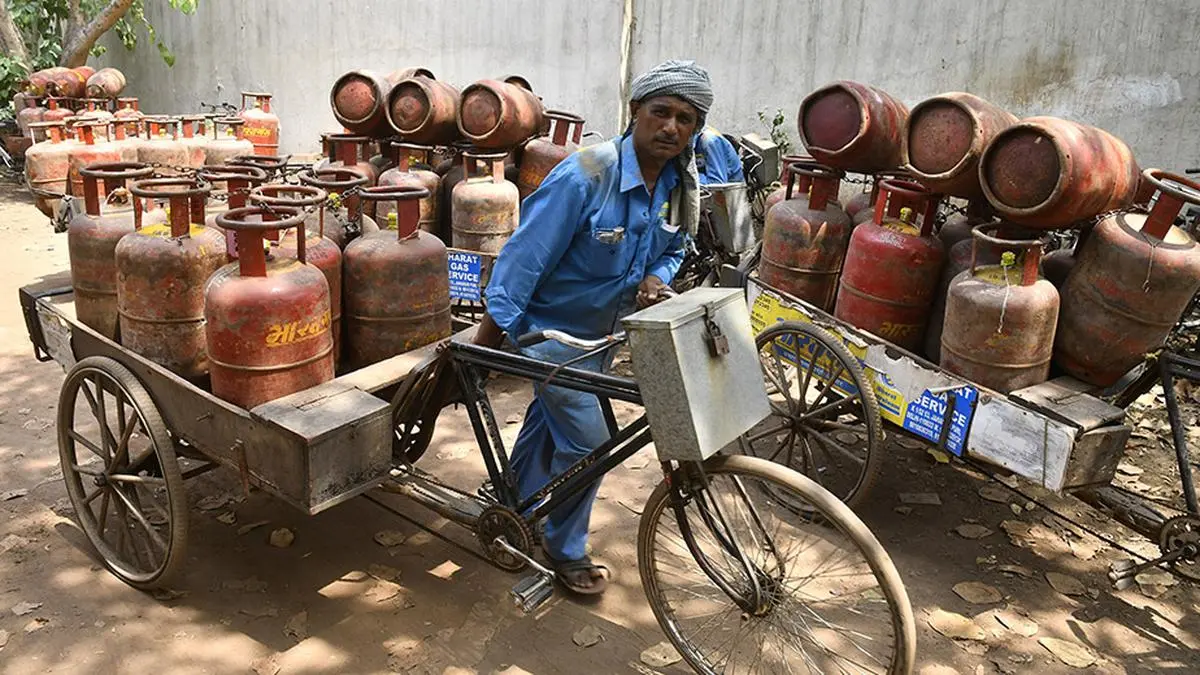

The country has experienced more severe inflation in the past, but the increase in Consumer Price Index (CPI) in April to 7.8% is the highest since May 2014. High inflation was one of the reasons for the public’s outrage against the United Progressive Alliance (UPA) government in its second term (2009-14). The first term of the Narendra Modi-led National Democratic Alliance (NDA) regime (2014-19) and the COVID-19 pandemic were relatively quiet in terms of inflation. However, since then, there has been a relentless rise in prices, making it a major socioeconomic issue.
It is interesting that the Finance Ministry’s monthly economic review for April claimed that while inflation is expected to remain high in 2022-23, the government and Reserve Bank of India (RBI) may take mitigating measures to reduce its duration. The review also stated that inflation has a lesser impact on low-income groups than on high-income groups. This statement led to widespread ridicule on social media, and the Finance Ministry had to issue a denial. However, the original statement remains in the official report.
The current inflationary situation raises the question of who are the winners and losers. It is easier to identify the losers, as consumers, especially the poor and ordinary citizens, will have to bear the burden of higher prices for goods and services. This means that their purchasing power decreases, and their real income declines.
It’s important to consider the post-COVID situation, where the national income has barely recovered to pre-COVID levels. The expected growth for this year has been downgraded to around 6%. The economic downturn since demonetization, which brought the economy to 3% growth on the eve of COVID-19, severely impacted the unorganized sectors. The situation worsened with the pandemic, leading to an alarming increase in inequalities. Additionally, household debt from the COVID-19 period is eating into disposable incomes. Therefore, the current inflation will have a significant impact on the standard of living and welfare of the poor.
The National Statistical Office (NSO) and the Labour Bureau publish consumer price indices to measure the impact of price rise on different consumer sections. Among them, the CPI prepared by the NSO is the most comprehensive indicator of inflation’s impact on consumers in general.
The CPI is based on retail prices of relevant commodities and services consumed, with the prices of 2012 serving as the base year. Weightage is given to each item based on its relative importance in the consumption basket. The largest component is the food and beverages group, accounting for 46% of the total. Cereals and products have the highest weightage in this group (10%). Other significant items include clothing and footwear, housing, and fuel. Among services, education and health have considerable weightage. The weighted average provides the consumer price index.
The surge in the CPI has been driven by fuel and food items, particularly vegetables, spices, oils/fats, and household services. Food price inflation reached a 17-month high of 8.38% in April, with cereals and products touching a 21-month high. Prices of vegetables and spices also reached their highest levels in months. Transportation and communication inflation increased due to rising fuel prices. Inflation for miscellaneous goods and services reached a 115-month high, marking 23 consecutive months of inflation above 6%. The cost of education and health services has also increased, and inflationary pressures are spreading across all segments of consumption.
The persistence of high and rising oil and coal prices has contributed to overall inflationary pressures on the economy. The increase in crude oil prices, combined with the government’s fiscal policy, led to a significant hike in taxes on petroleum products. This resulted in a substantial increase in revenue from the petroleum sector, but it also burdened consumers. The government’s reluctance to reduce taxes even as crude oil prices rose further exacerbated the situation.
As the Ukraine war continues and global commodity prices remain high, coupled with supply chain disruptions due to lockdowns in China, the cost of inputs for consumer goods manufacturers is increasing. This will likely result in a spread of inflation to manufactured product sectors and create a generalized inflationary situation. The depreciation of the rupee against the dollar also adds to the cost of imports.
Overall, the current inflation situation poses challenges for both the government and consumers. The government will need to take effective measures to mitigate inflation’s impact, particularly on the poor, while consumers will have to cope with higher prices and declining purchasing power.