
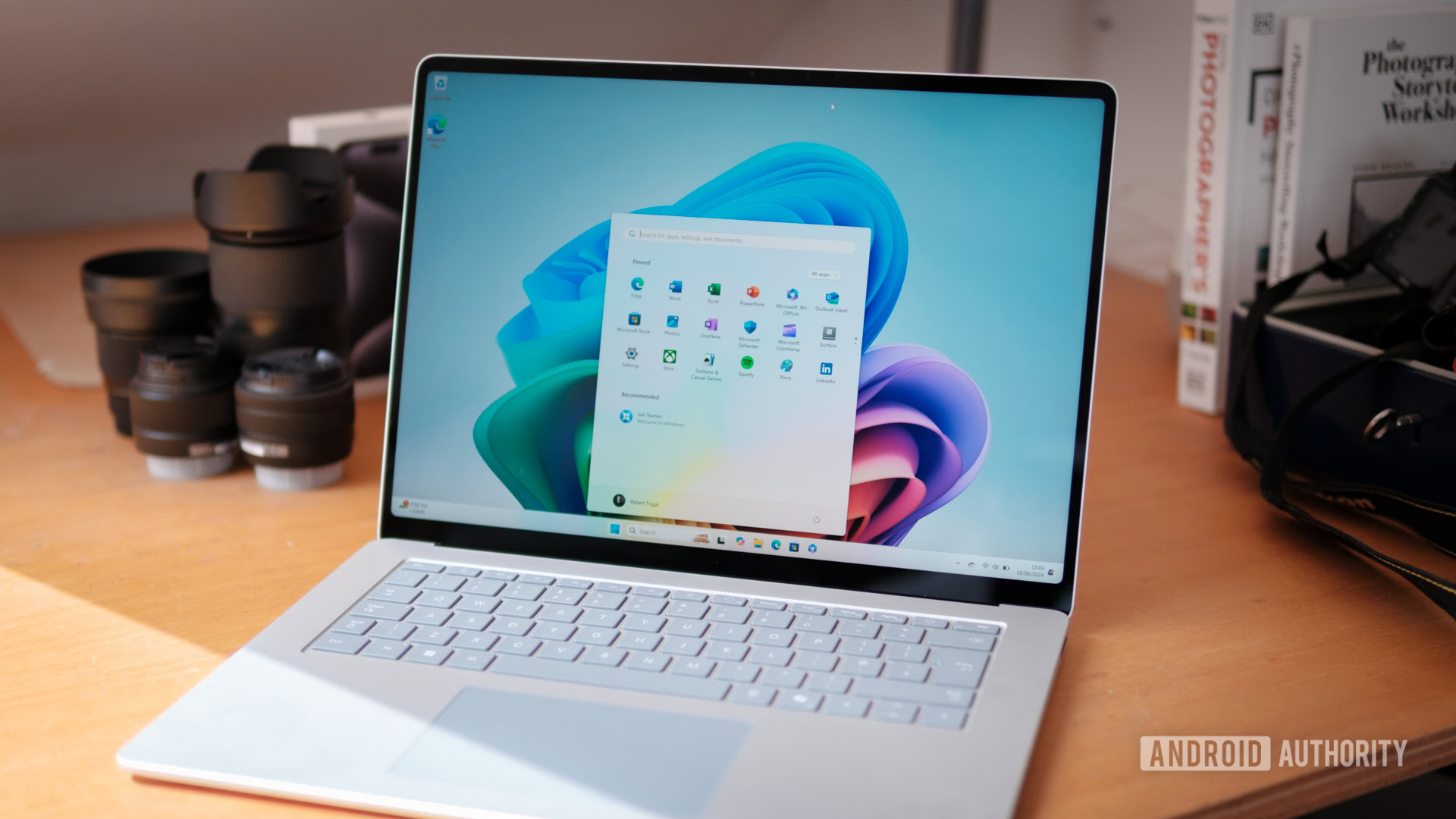

Qualcomm’s Snapdragon X series processors are aimed at PCs, specifically Windows on Arm CoPilot Plus laptops. These chips combine the performance we expect from high-end smartphones with the demands of the PC market, aiming to rival Intel and Apple in performance while maintaining energy efficiency.
The key components found in all Snapdragon X series chips include Qualcomm’s custom Arm-based Oryon CPU, an Adreno GPU adapted from mobile devices, Hexagon NPU for AI tasks, and advanced networking capabilities for Wi-Fi and 5G. Microsoft also contributes by providing an emulation layer in Windows on Arm to support x64 applications.
The Snapdragon X series is divided into two main variants: X Elite and X Plus. X Elite powers high-end CoPilot Plus PCs while X Plus is designed for more affordable laptops. Qualcomm offers a total of four Snapdragon X SKUs, with three under the X Elite branding and one X Plus unit. There are reports of an additional low-end X Plus model, but details are scarce.
The main differences between Snapdragon X Elite and X Plus lie in the number of Oryon CPU cores and clock speeds. Elite models feature 12 CPU cores and higher clock speeds compared to the Plus variants. The top-tier X1E-84-100 SKU also boasts a more powerful GPU and advanced features for AI tasks. All Snapdragon X chips share the same NPU, memory support, video decoding capabilities, and networking features.
One standout feature of the Snapdragon X series is the in-house Oryon CPU, which is based on Arm architecture rather than x86/x64 like competitors Intel and AMD. Oryon features a unique three-cluster design with shared cache and advanced memory subsystem for improved performance and efficiency. The Adreno X1 GPU, derived from Qualcomm’s mobile graphics technology, supports desktop-class features like DirectX 12.1 and Vulkan 1.3 for enhanced gaming experiences.
Overall, the Snapdragon X series offers a powerful combination of CPU, GPU, and AI capabilities tailored for Windows laptops, providing a competitive alternative to traditional PC processors.